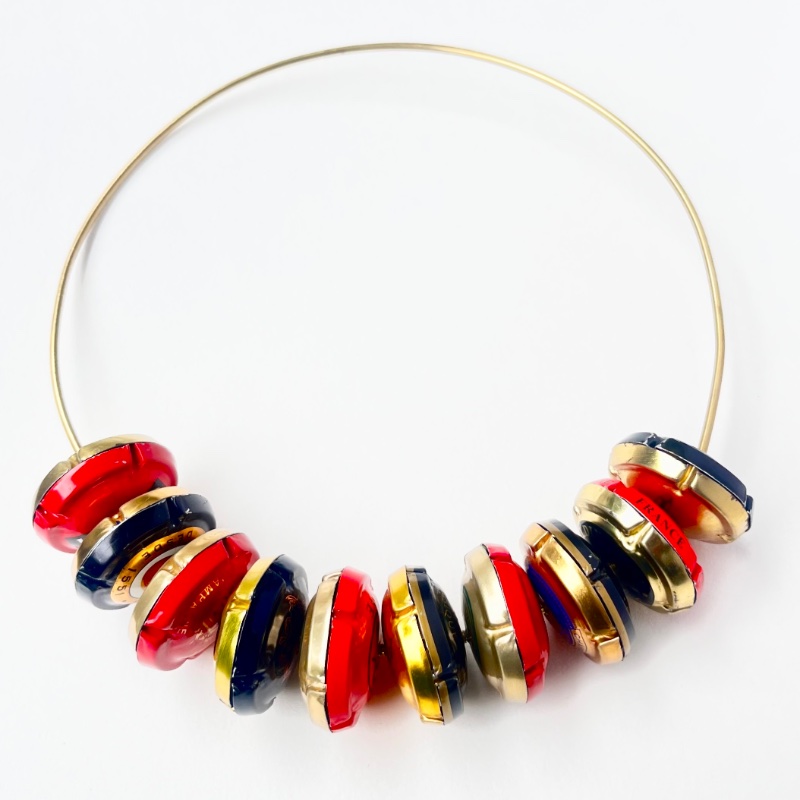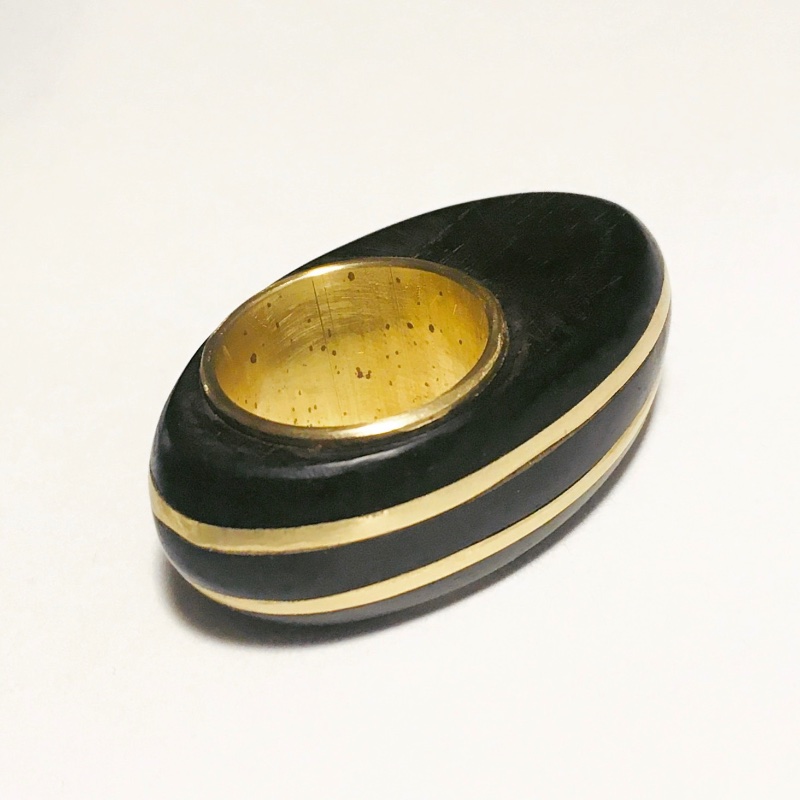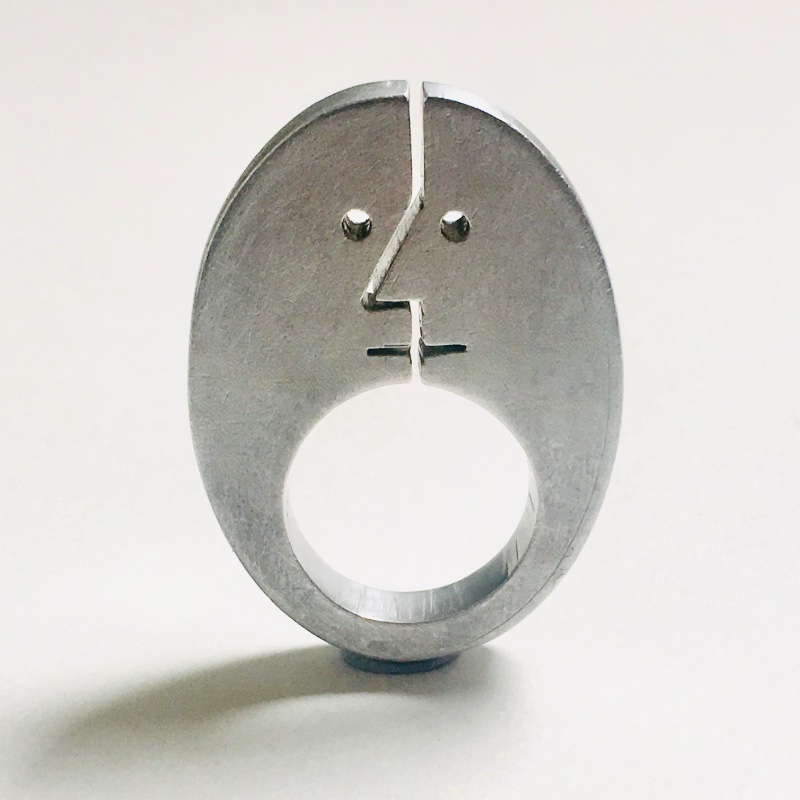
Available works
For enquiries, get in touch.
Archive
For enquiries about similar designs, get in touch.

01 Jewels/
“Ice and iron cannot be welded.” – R.L. Stevenson (Weir of Hermiston, 1896).
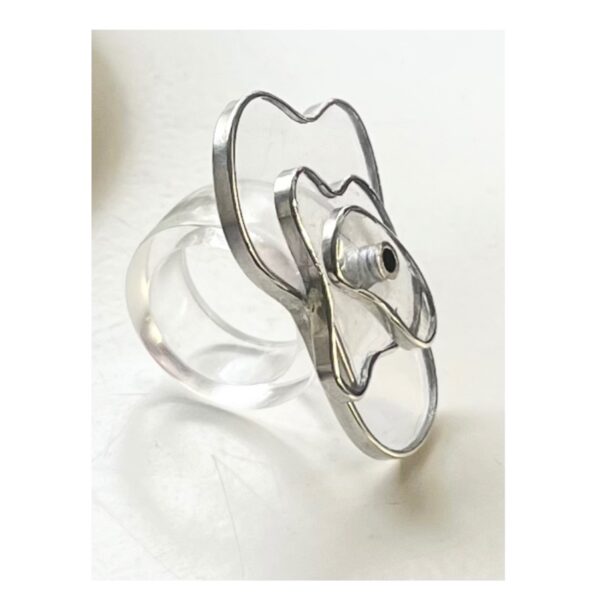
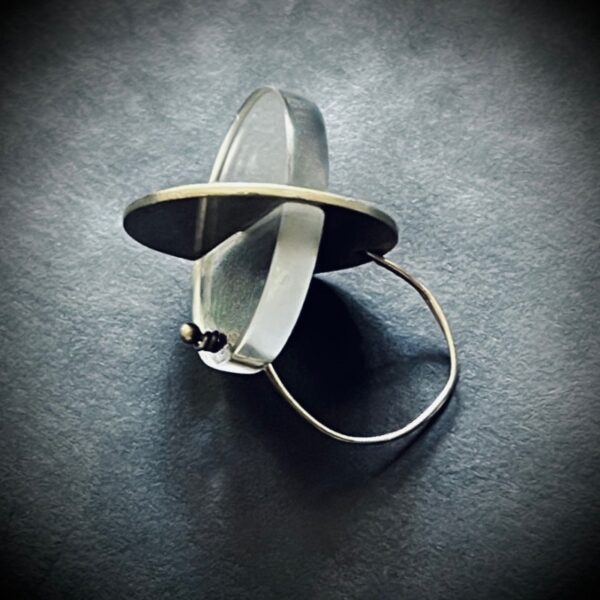
This series, where technique and juxtaposition of material take the lead rather than form, is inspired foremost by a quote from R.L. Stevenson: “Ice and iron cannot be welded”. While technically true, I am drawn to the concept of joining ice and iron anyway – just without the use of fire!
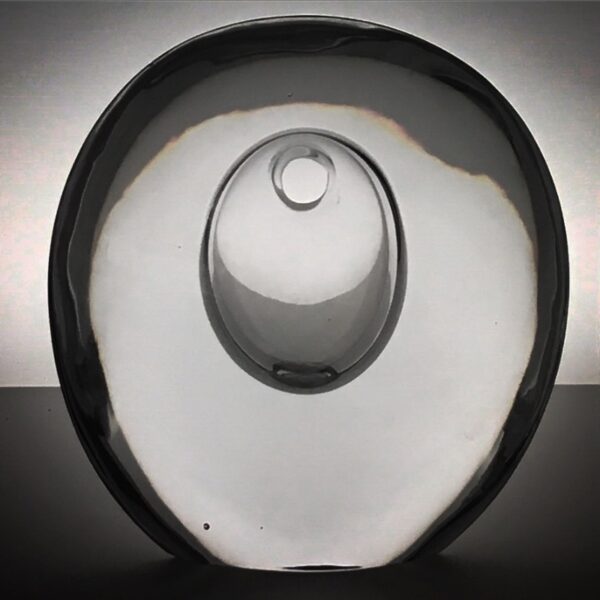
The metaphorical significance of finding an alternative way to ‘make the connection’, is always at the back of my mind when I work on this series, mostly in winter. So is a story I once read about glass artist Timo Sarpaneva’s childhood memory of melting a hole into a piece of ice with his finger, which inspired a whole range of his work later on in life.
Multiple inspirations, all connected – the main technique I use is aptly named cold connection.
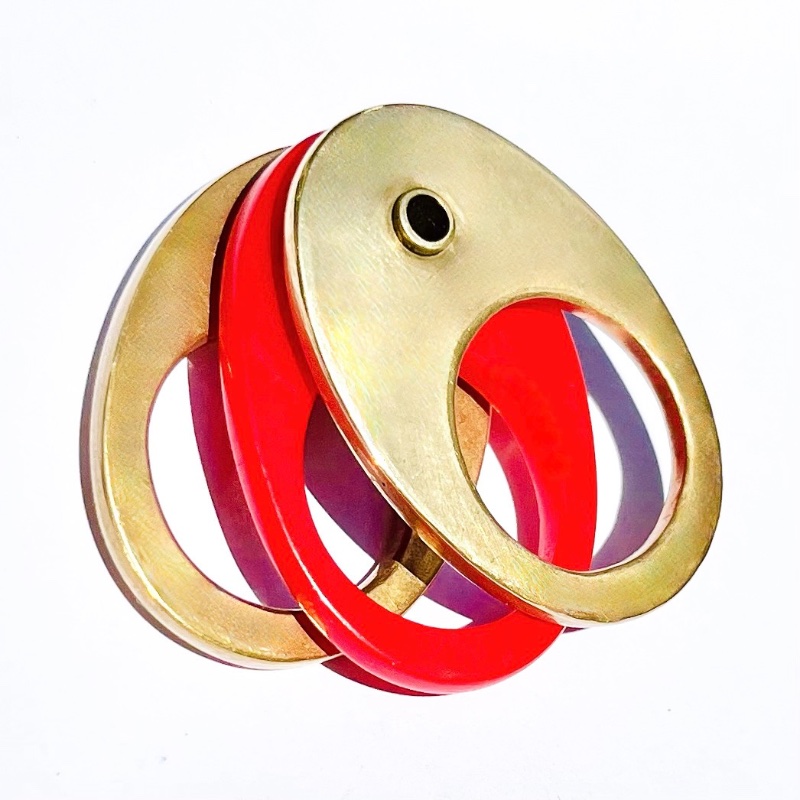
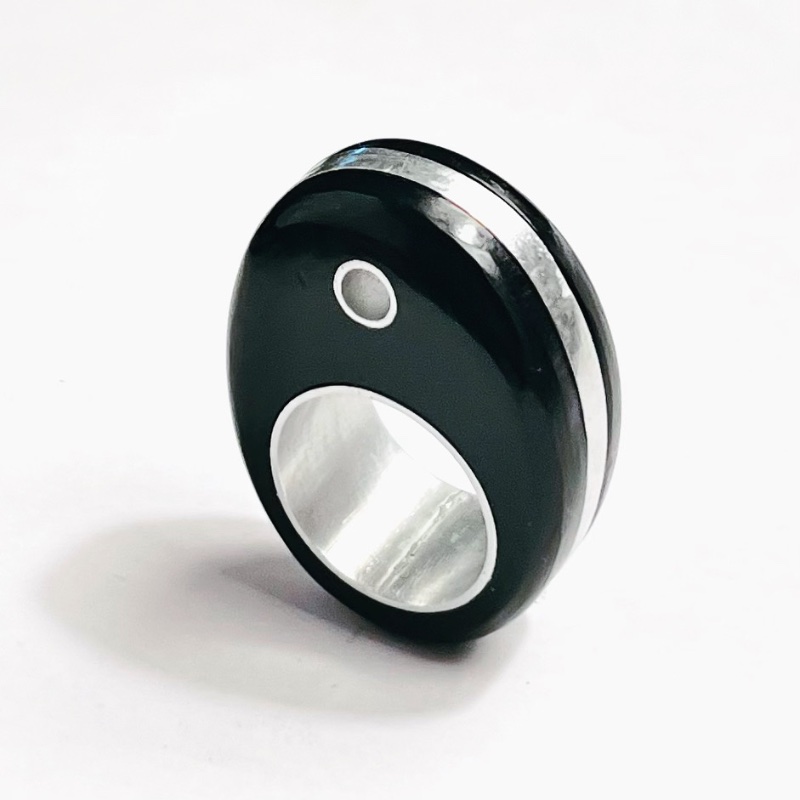
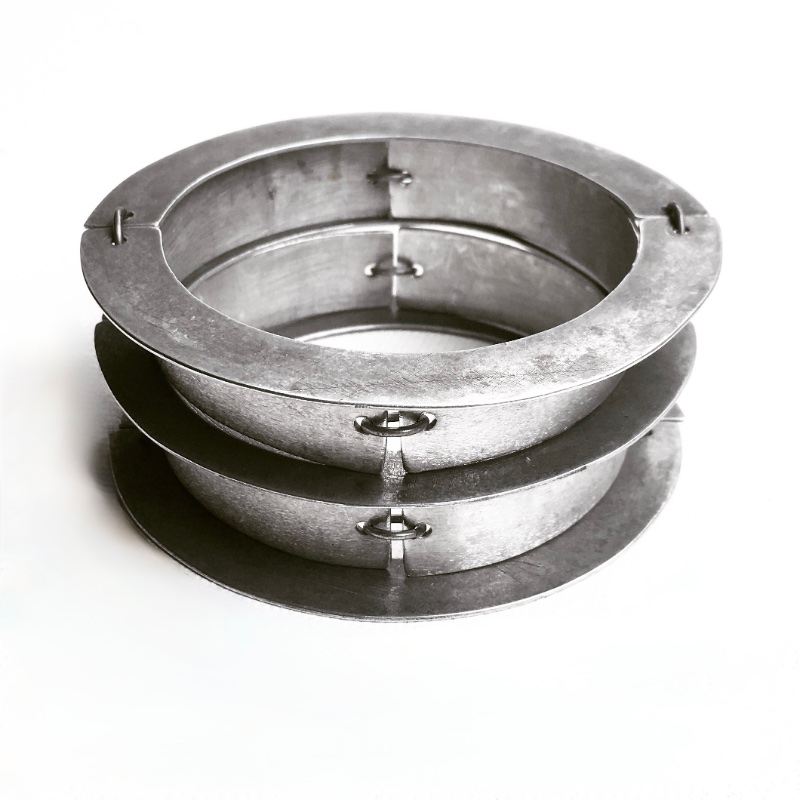
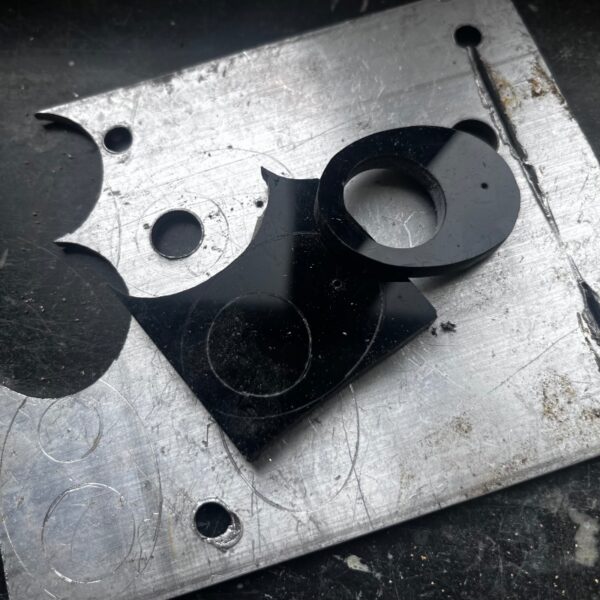
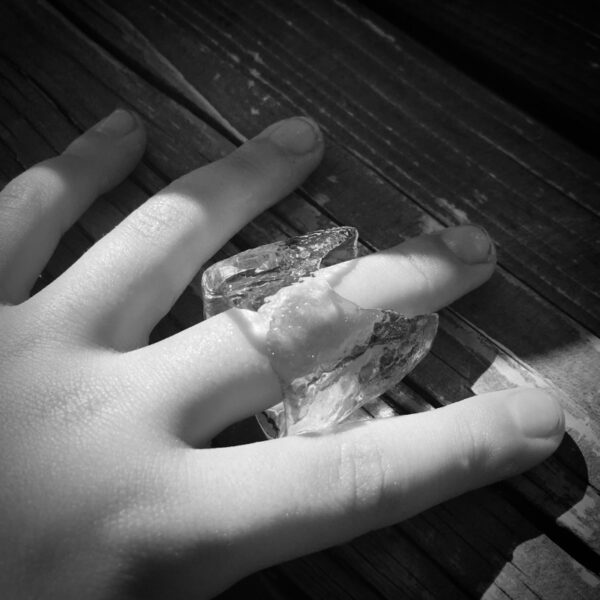
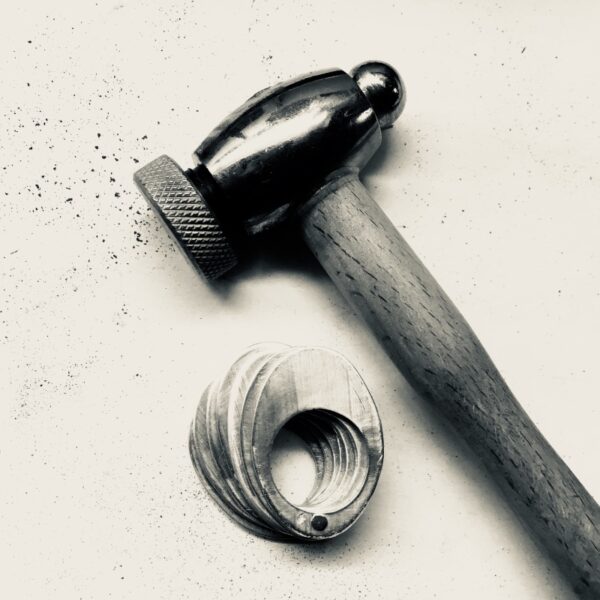
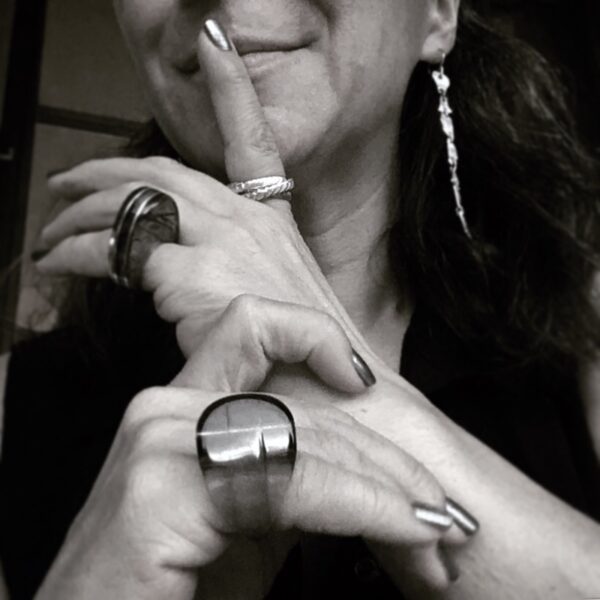
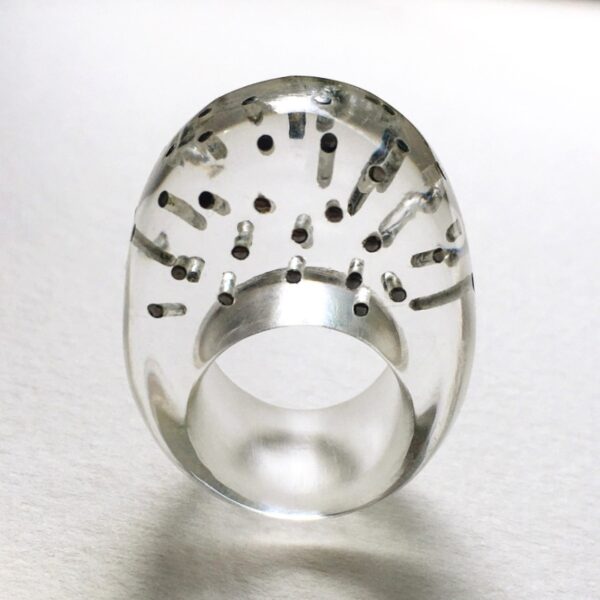
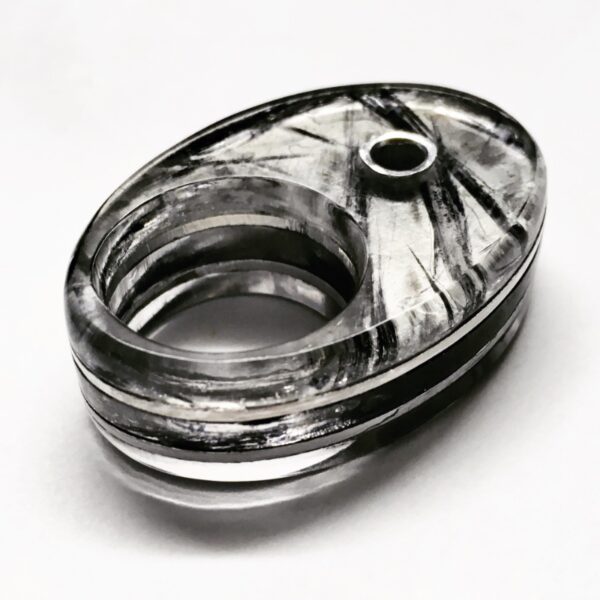
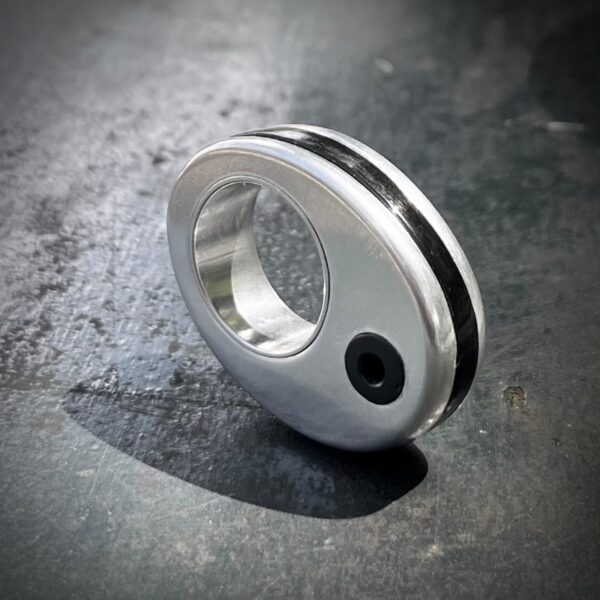
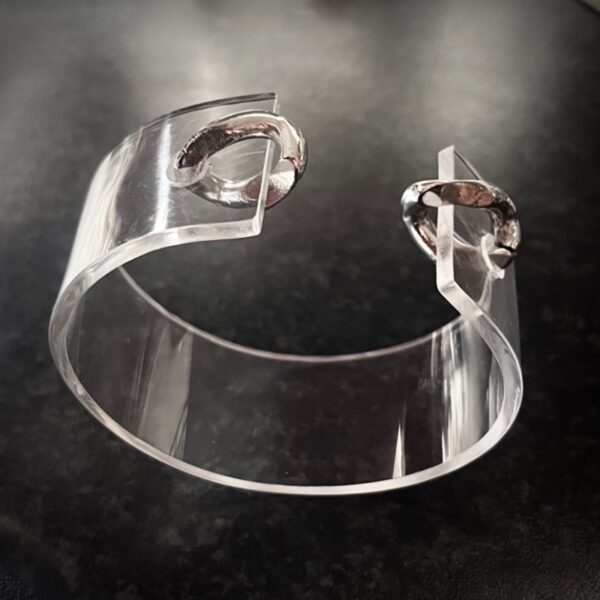
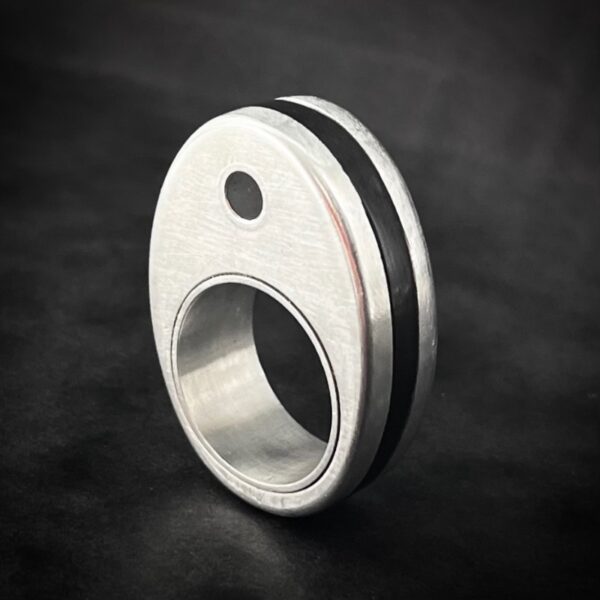
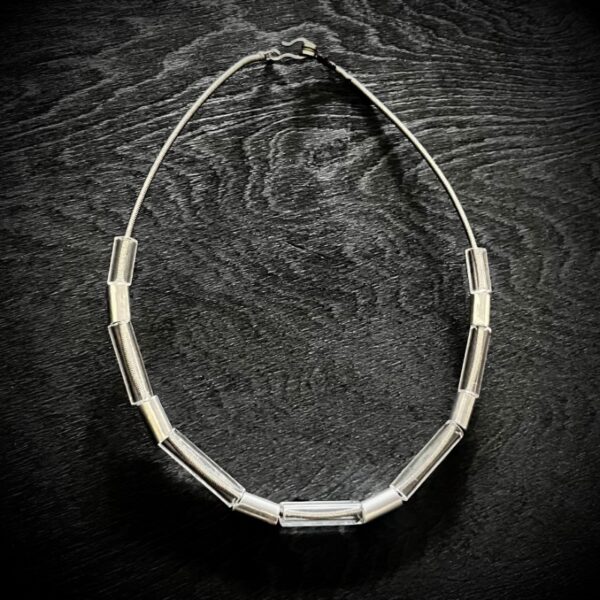
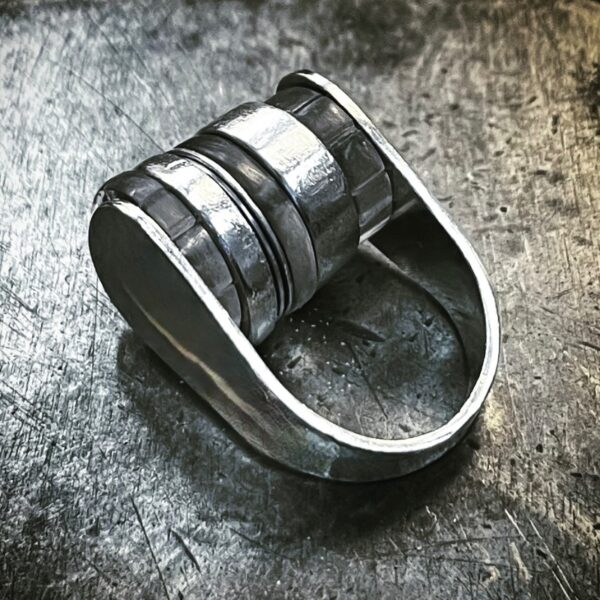
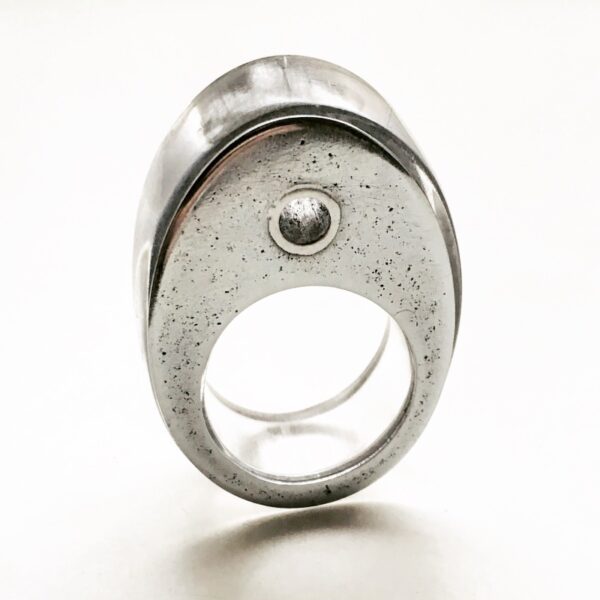
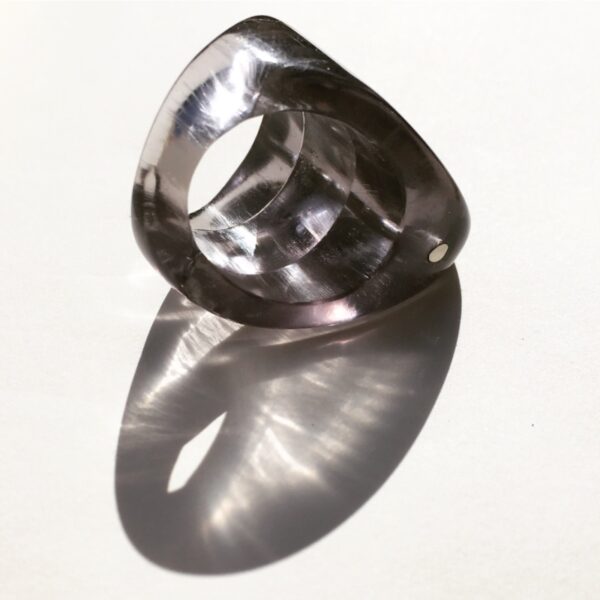
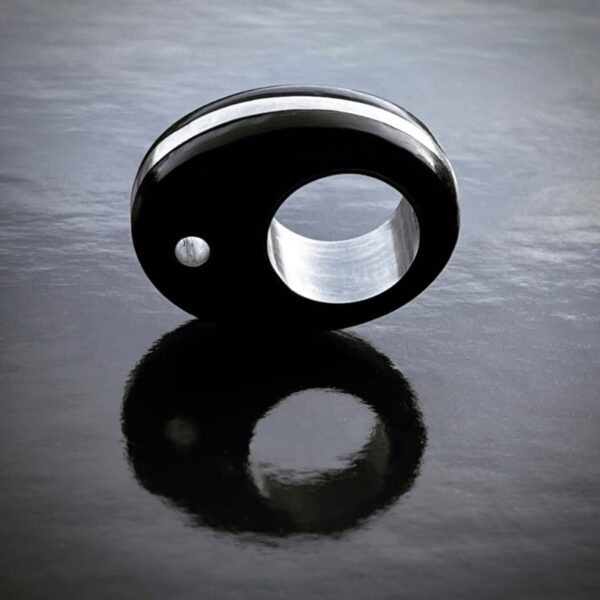
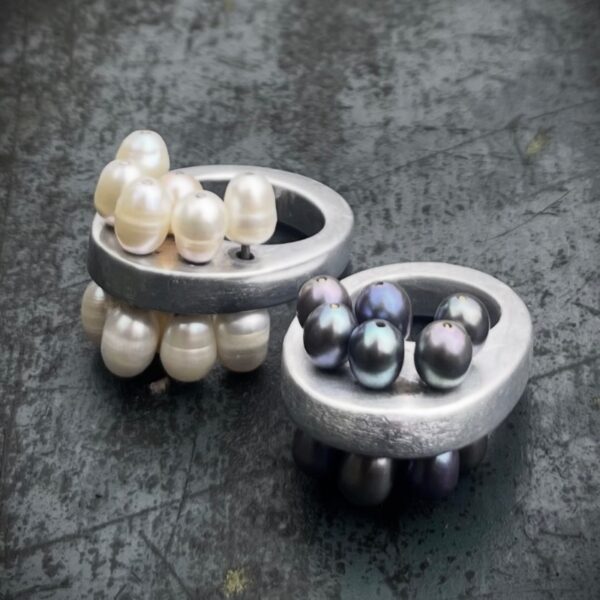
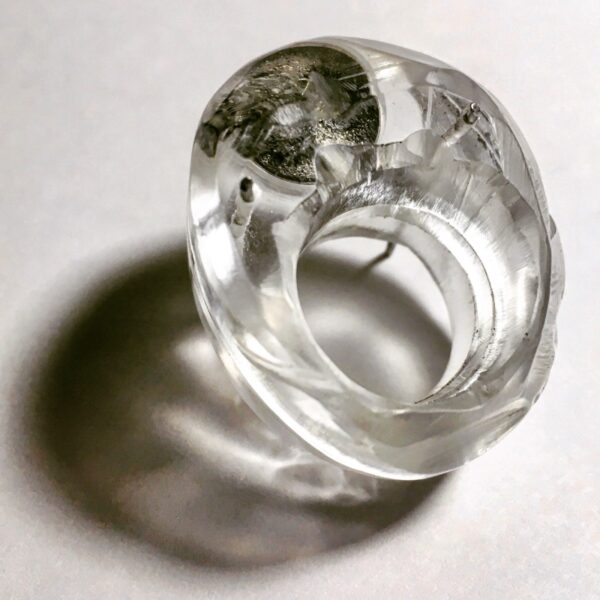
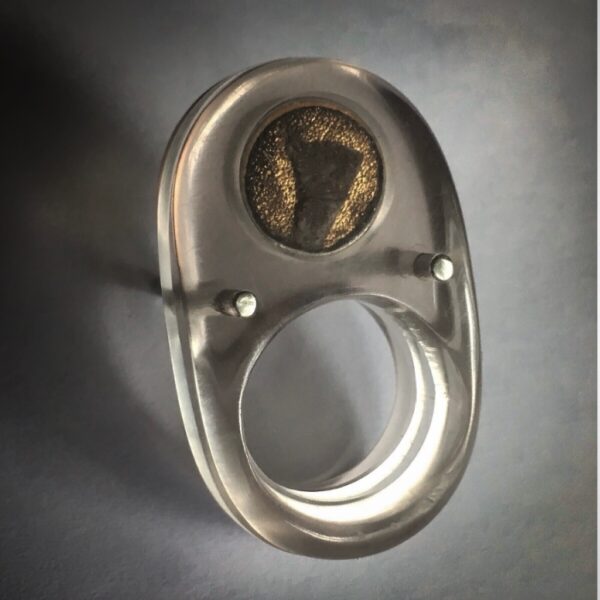
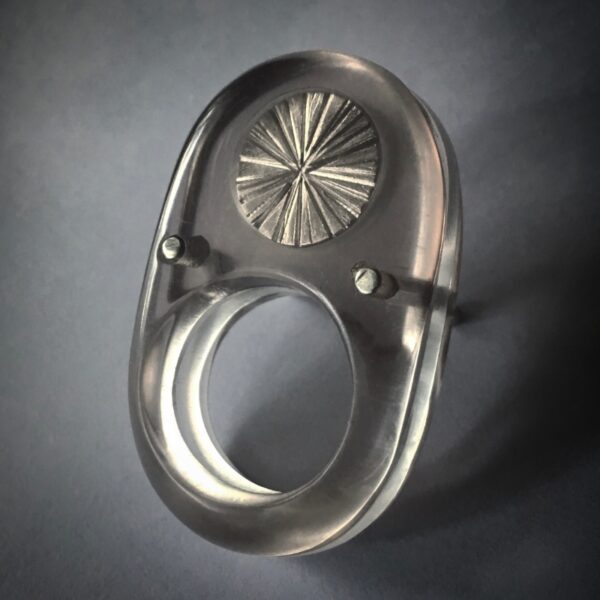
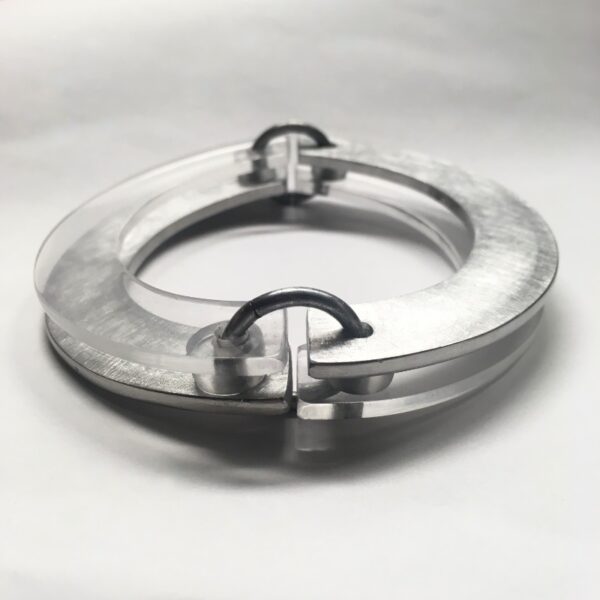
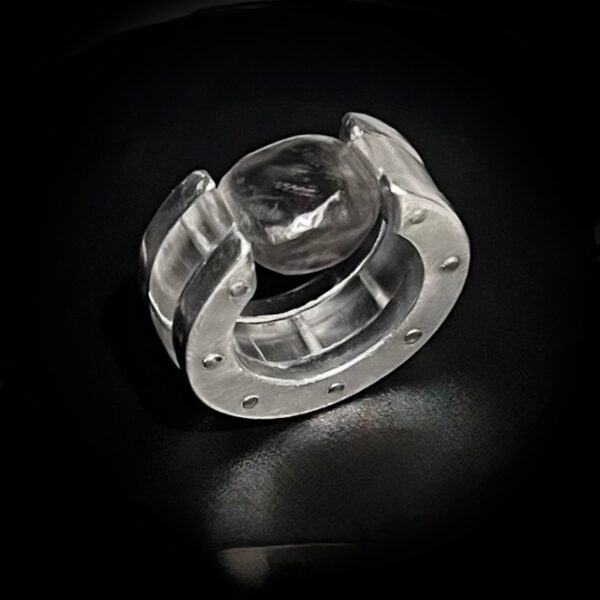
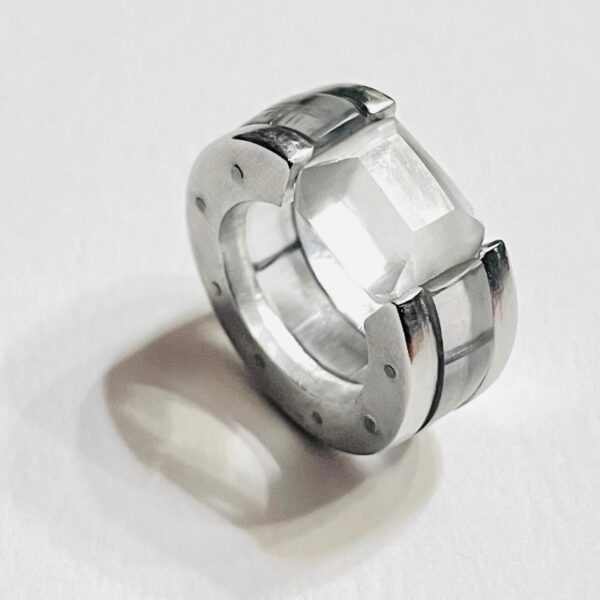
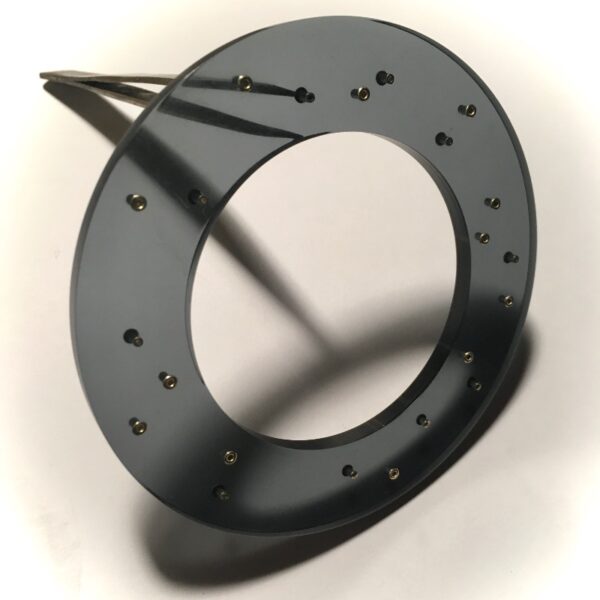
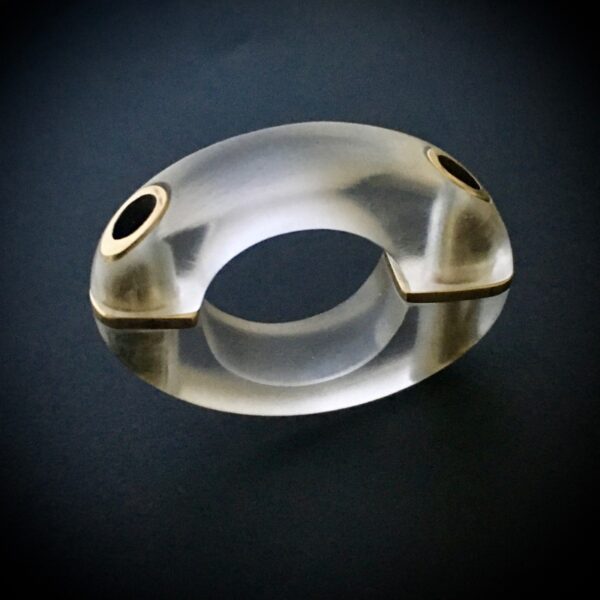
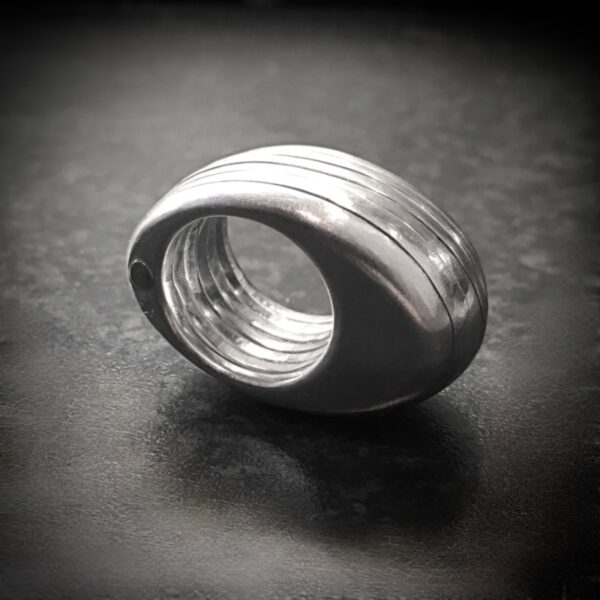
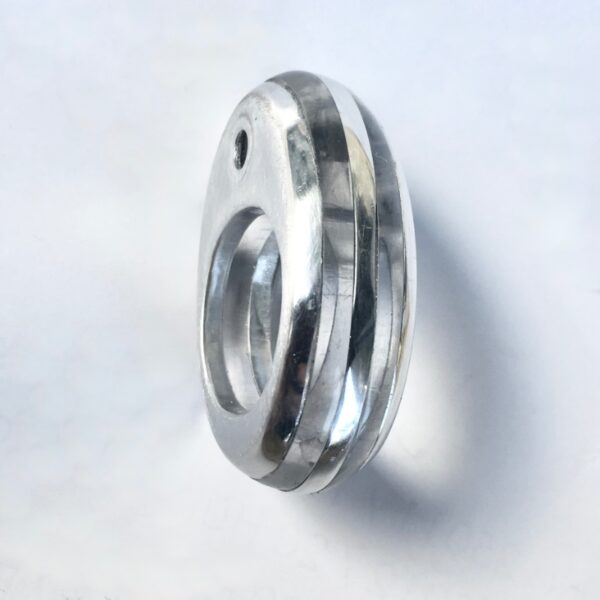
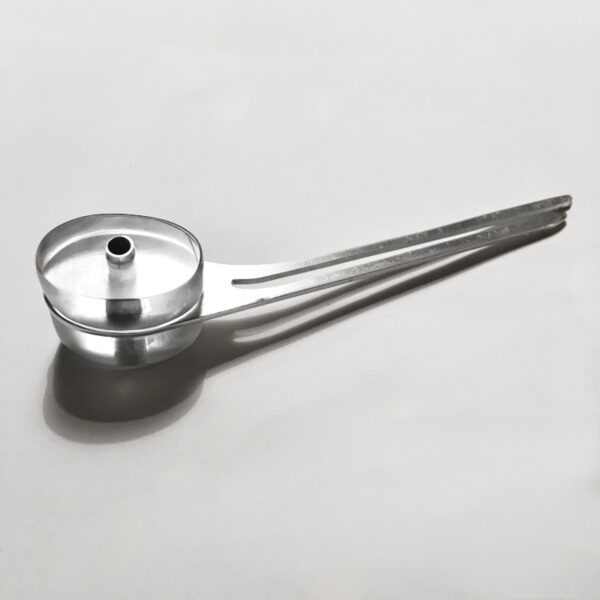
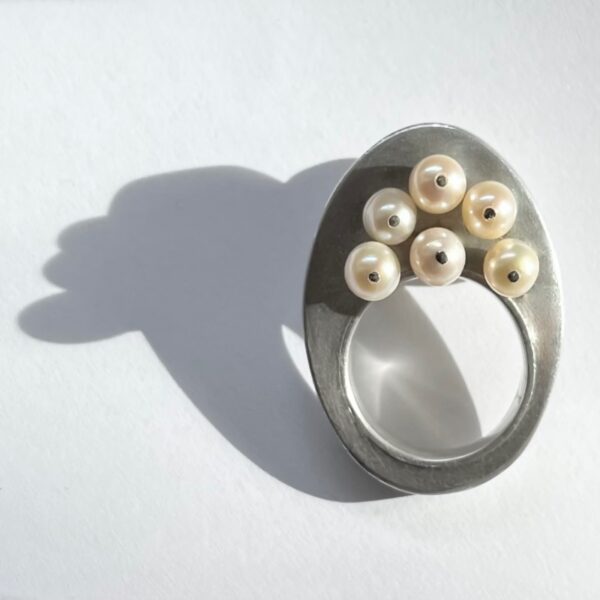
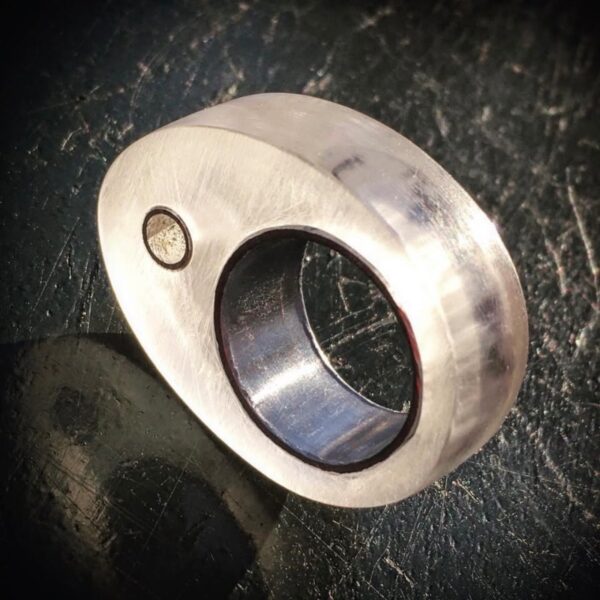
The starting point of this series was my desire to make a big rounded oval ring in aluminium, off-the-grid. After some puzzling, I found that almost any form can be sliced into segments so in the reverse, you can build a form, also combining different materials. That is when I began to add old Perspex – the ‘ice’ – to the mix . Many oval rings followed, often with a ‘hole in the ice’, or a porthole, where the slices are connected by a rivet. Later, I expanded to other forms and types of jewels. More to come!
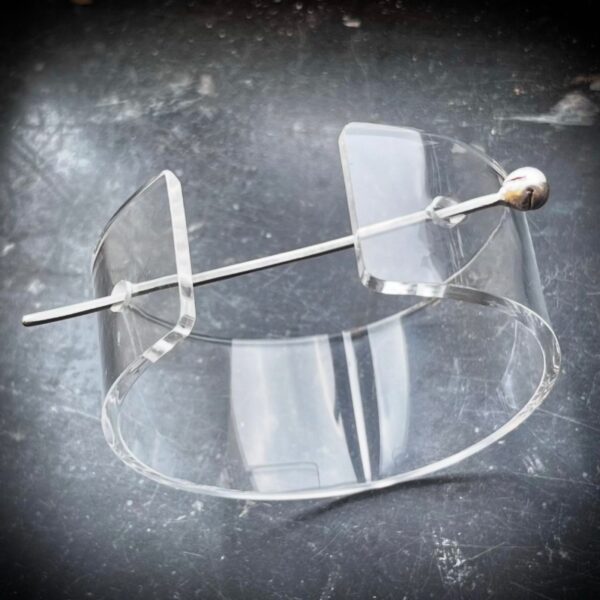
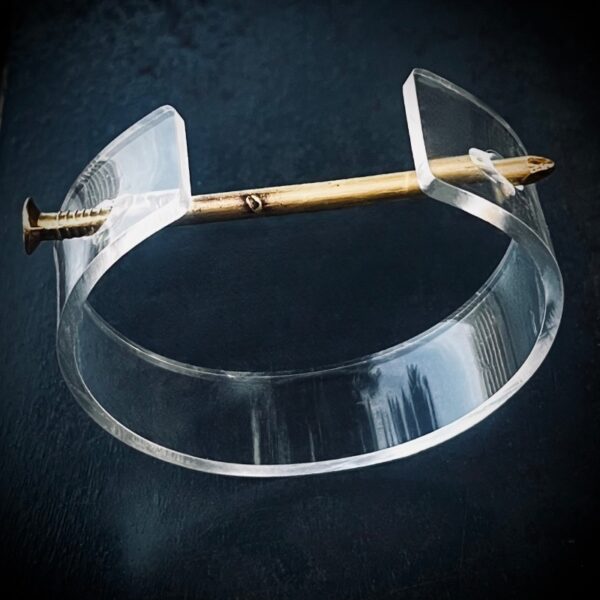
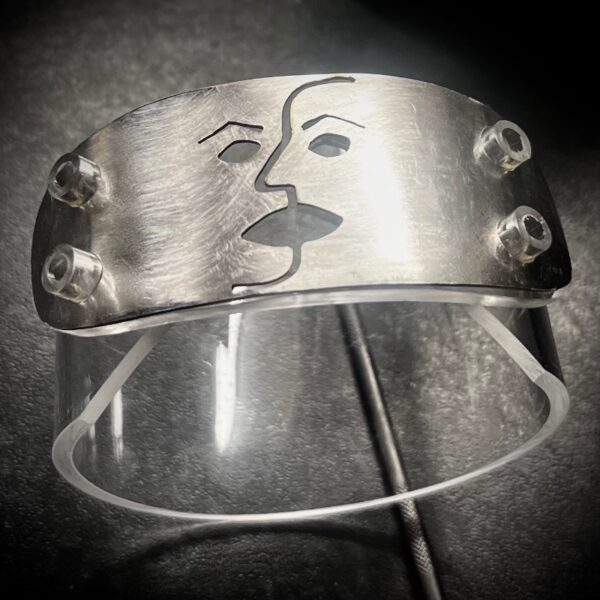
In jewellery in particular, when you work with materials that you can’t merge with heat – like aluminium and perspex – you have to find an alternative route: a cold connection (riveting rather than soldering). It requires a different approach to reach a form and allows for working off-the-grid. This means I can work on these jewels anywhere with just some basic tools like a saw, file and hammer, some sandpaper, and a polishing cloth to clean up old Perspex.
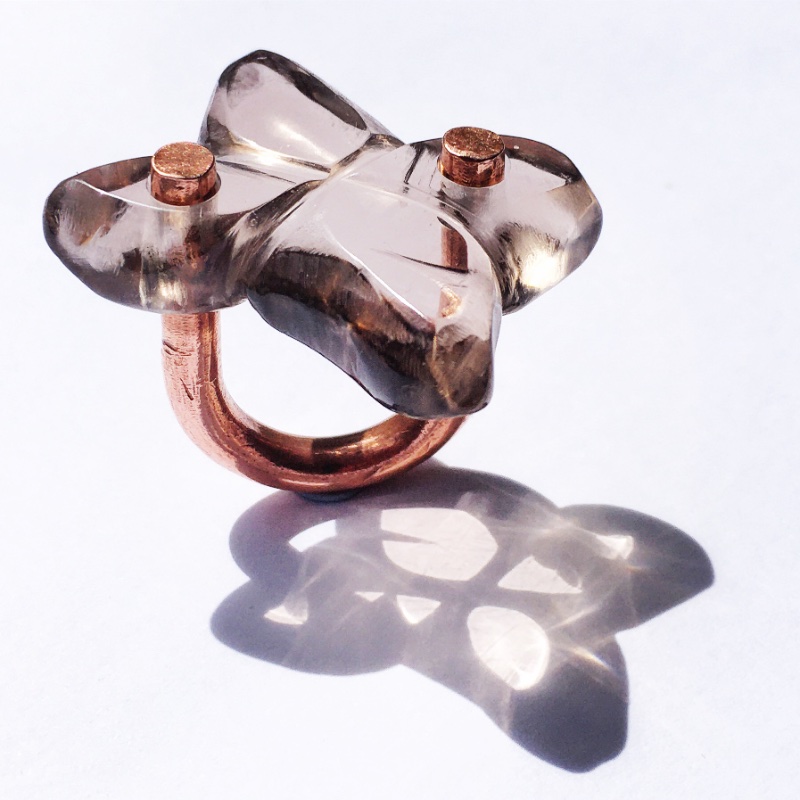
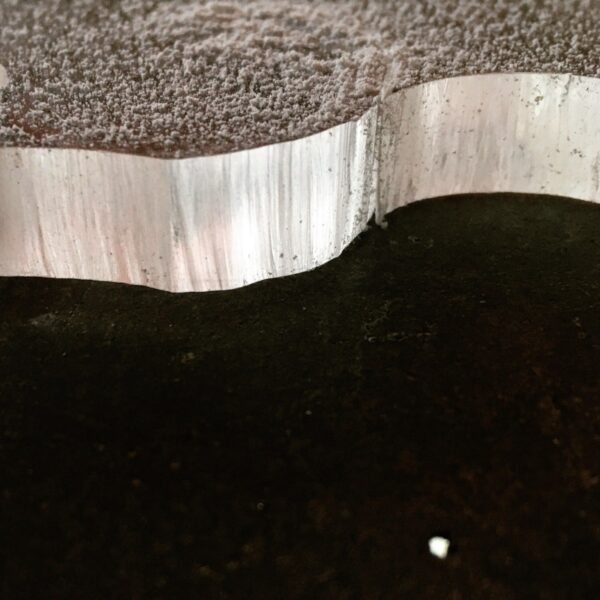
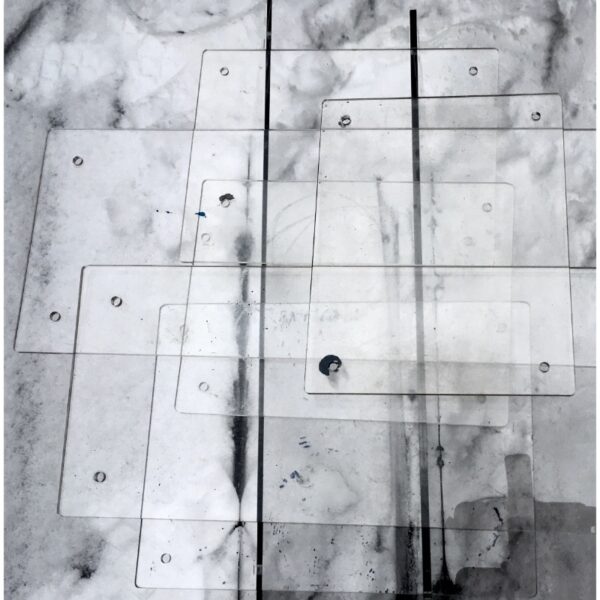
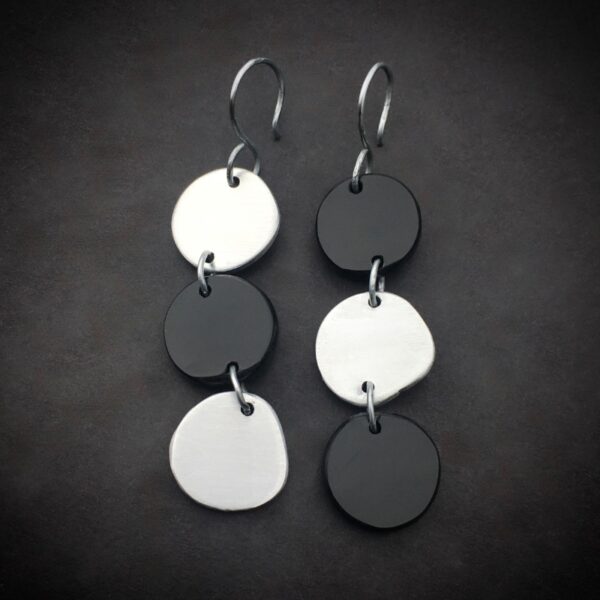
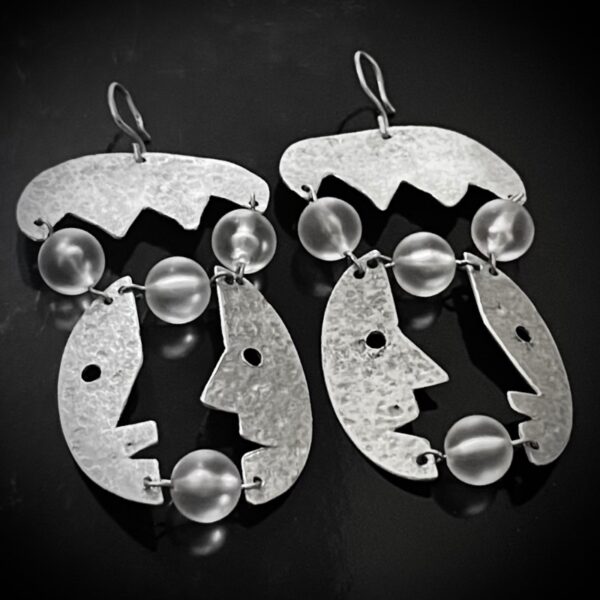
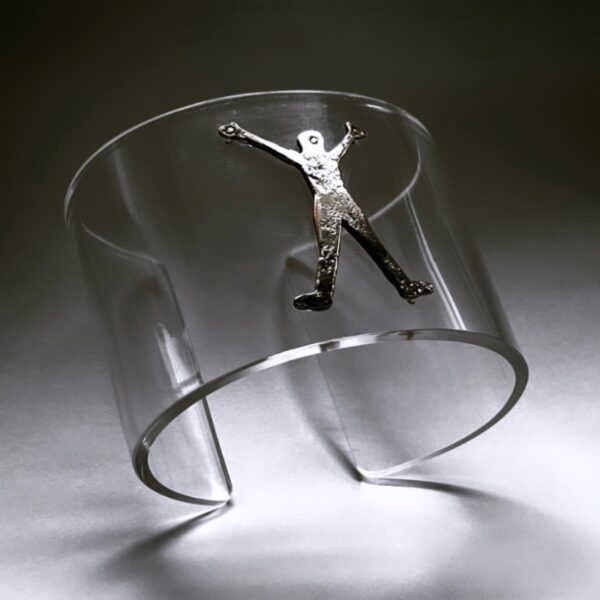
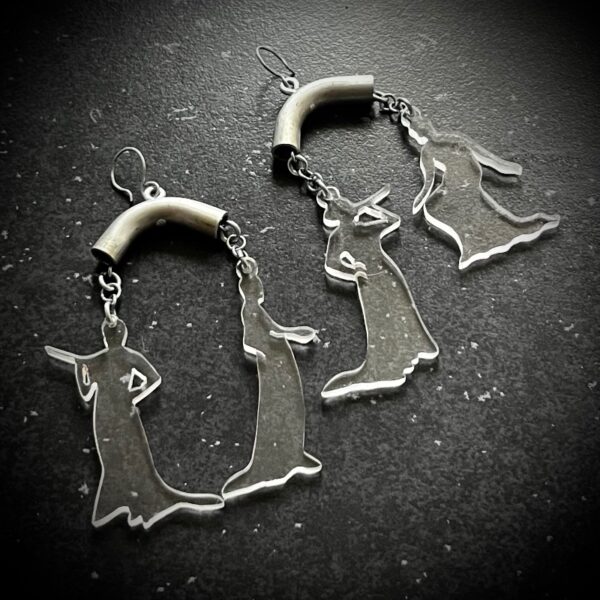
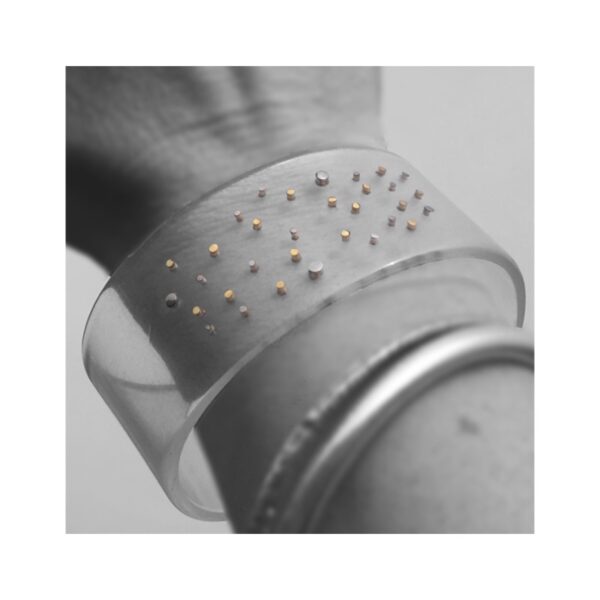
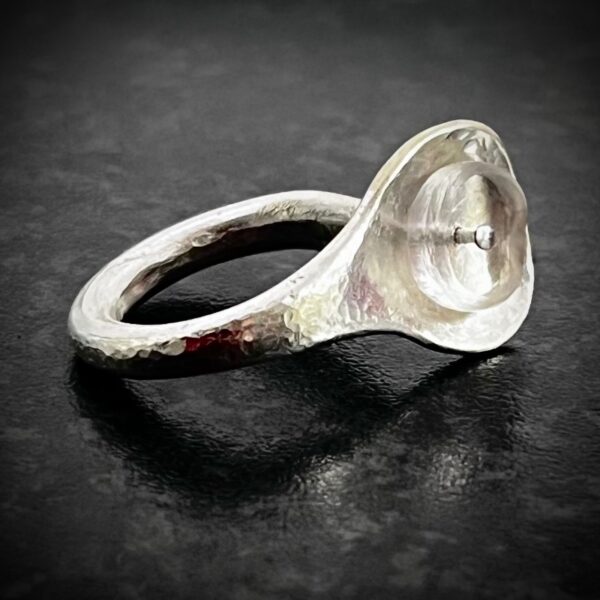
Most of the Ice and Iron series is made with salvaged industrial aluminium and Perspex (a.k.a. Lucite or Plexiglass, all acrylic plastic) from old photo frames and signage shop leftovers (offcuts). Both materials are great for wear as they’re super light!
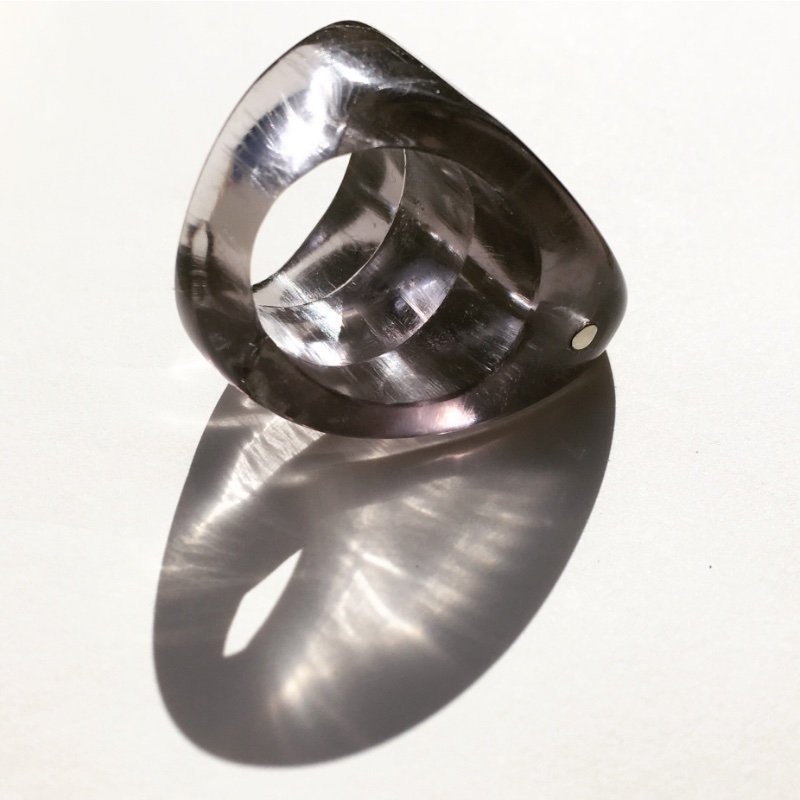
“Black ice is the smoothest naturally occurring ice there is, as if nature were condescending to art.” – Lorene Cary (Black Ice, 1991)
01 Jewels/
“Ice and iron cannot be welded.” – R.L. Stevenson (Weir of Hermiston, 1896).
This series, where technique and juxtaposition of material take the lead rather than form, is inspired foremost by a quote from R.L. Stevenson: “Ice and iron cannot be welded”. While technically true, I am drawn to the concept of joining ice and iron anyway – just without the use of fire!
The metaphorical significance of finding an alternative way to ‘make the connection’, is always at the back of my mind when I work on this series, mostly in winter. So is a story I once read about glass artist Timo Sarpaneva’s childhood memory of melting a hole into a piece of ice with his finger, which inspired a whole range of his work later on in life.
Multiple inspirations, all connected – the main technique I use is aptly named cold connection.
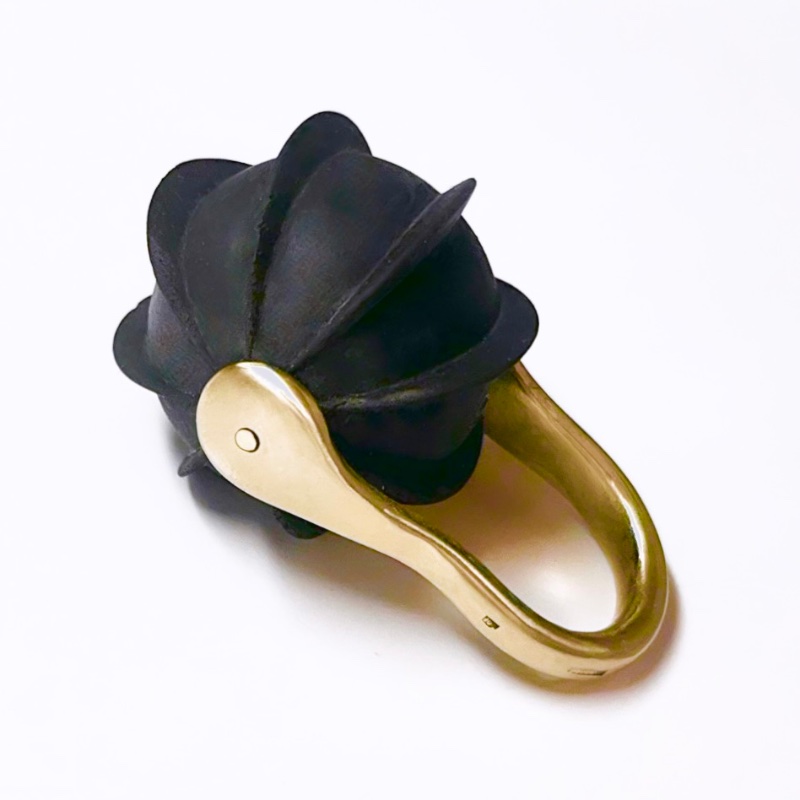
The starting point of this series was my desire to make a big rounded oval ring in aluminium, off-the-grid. After some puzzling, I found that almost any form can be sliced into segments so in the reverse, you can build a form, also combining different materials. That is when I began to add old Perspex – the ‘ice’ – to the mix . Many oval rings followed, often with a ‘hole in the ice’, or a porthole, where the slices are connected by a rivet. Later, I expanded to other forms and types of jewels. More to come!
In jewellery in particular, when you work with materials that you can’t merge with heat – like aluminium and perspex – you have to find an alternative route: a cold connection (riveting rather than soldering). It requires a different approach to reach a form and allows for working off-the-grid. This means I can work on these jewels anywhere with just some basic tools like a saw, file and hammer, some sandpaper, and a polishing cloth to clean up old Perspex.
Most of the Ice and Iron series is made with salvaged industrial aluminium and Perspex (a.k.a. Lucite or Plexiglass, all acrylic plastic) from old photo frames and signage shop leftovers (offcuts). Both materials are great for wear as they’re super light!
“Black ice is the smoothest naturally occurring ice there is, as if nature were condescending to art.” – Lorene Cary (Black Ice, 1991)
For enquiries, get in touch.
For enquiries about similar designs, get in touch.
01 Jewels/